-
Toute personne qui tombe a des ailes
2026 - titre tiré d'un poème d'Ingebord Bachmann
Lire la présentation
-
-
-
-

-
-
-
-
-
-

-

-
-
-
-
-
Toute personne qui tombe a des ailes
2026 - titre tiré d'un poème d'Ingebord Bachmann
Toute personne qui tombe a des ailes
Ce titre est tiré d’un poème d’Ingebord Bachmann
“Poétesse Autrichienne née en 1926 Ingebord Bachmann est particulièrement marquée par l’Anschluss en 1938 auquel elle assiste alors qu’elle n’a que 12 ans. Son engagement comme femme et écrivain est étroitement lié à l’expérience et à la réflexion historique sur le fascisme de l’époque hitlérienne. Son œuvre reflète le combat difficile d’une femme voulant vivre et écrire, c’est à dire écrire et aimer. Écrire fut pour elle un acte d’amour sans cesse recommencé, passionnément, une avancée ininterrompue “sur la ligne de partage, de toi à moi, du silence à la parole, de tous au singulier, du mythe à l’écriture””.
Présentation de Françoise Rétif sous le titre “Du côté de la mort la vie” dans Europe, revue Littéraire mensuelle n°892-893
L’expérience quasi originelle des ténèbres, mais également un vif appétit de vie, allié à une soif de lumière et d’amour, hantent la poésie de cette grande poétesse Autrichienne.
La phrase « Toute personne qui tombe a des ailes » est elle -même tirée du poème « Le jeu est fini »
Le jeu est fini
« Mon cher frère, quand nous construirons-nous un radeau
et ferons la descente des cieux ?
Mon cher frère, la cargaison sera trop pesante bientôt
et nous sombrerons tous deux.Mon cher frère, nous dessinons sur le papier
tant de pays et de voies ferrées.
Prends garde, ici, devant les noires lignes,
tu vas sauter sur les mines.Mon cher frère, ensuite au poteau
je voudrais être liée et crier.
Mais toi déjà sur ton cheval tu quittes la vallée
des morts et nous fuyons tous deux.Éveillés au camp des Tziganes et éveillés sous la tente au désert,
le sable nous coule des cheveux,
ni ton âge ni le mien ni l’âge du monde
ne peuvent se mesurer aux années.Par les corbeaux rusés, par la patte d’aragne
et par la plume dans le buisson ne te laisse pas duper,
ne mange ni ne bois au pays de cocagne,
c’est le simulacre qui mousse dans les poêles et pichets.Seul qui, au pont d’or, pour Escarboucle, la fée,
se souvient encore du mot, a gagné.
Je dois te dire, avec la dernière neige,
au jardin, le mot a fondu.Par tant et tant de pierres nos pieds sont si blessés.
L’un guérit. Avec lui nous voulons sauter,
jusqu’à ce que le roi des enfants, dans la bouche la clef
de son royaume, nous emmène, et nous allons chanter :Qu’il est beau le temps où germe de la datte le noyau !
Toute personne qui tombe a des ailes.
C’est un dé rouge qui ourle le linceul des pauvres
et ta feuille de cœur sombre sur mon sceau.Nous devons aller nous coucher, très cher, le jeu est fini.
Sur la pointe de pieds. Les chemises blanches bouffent.
Père et mère disent que la maison est hantée
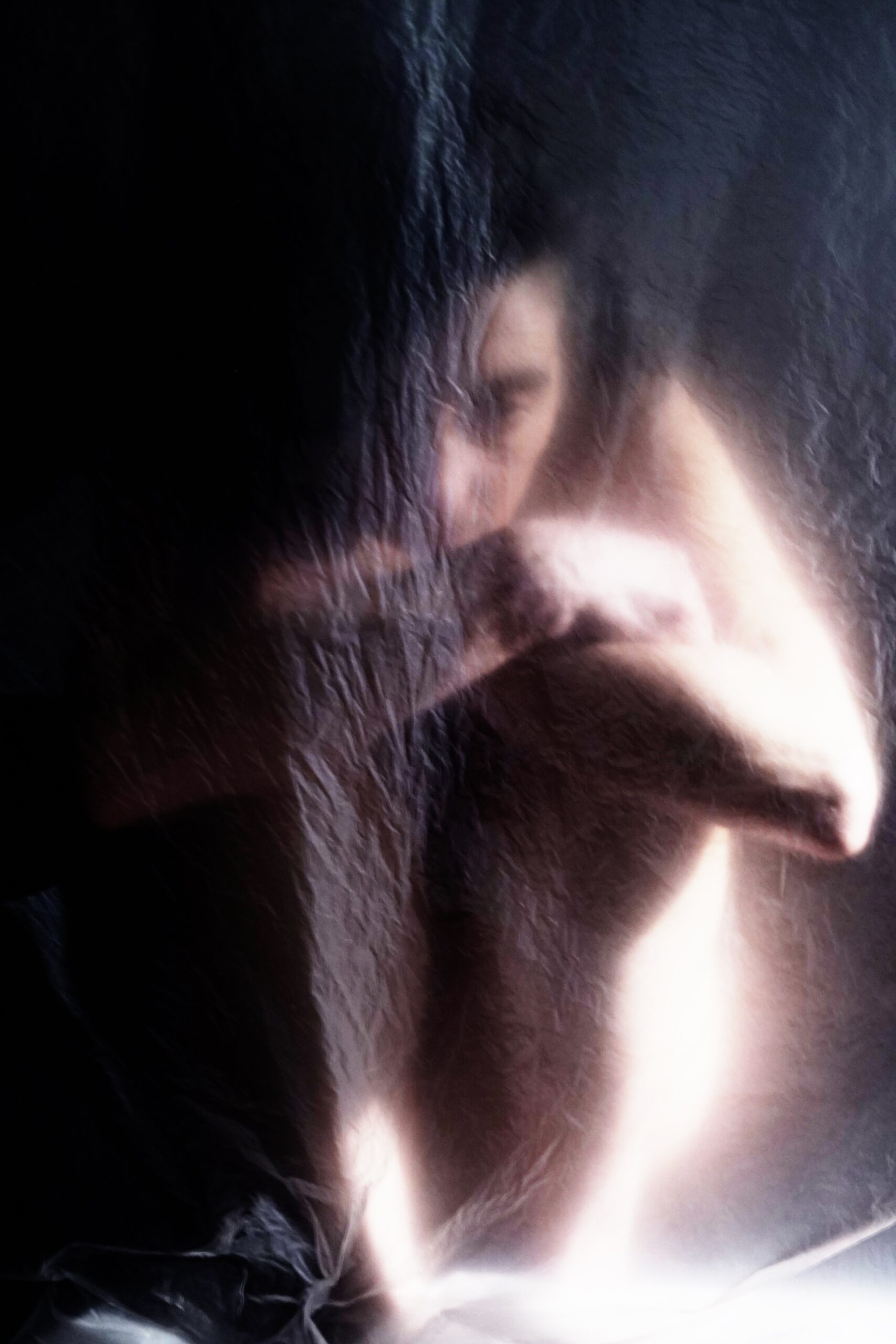
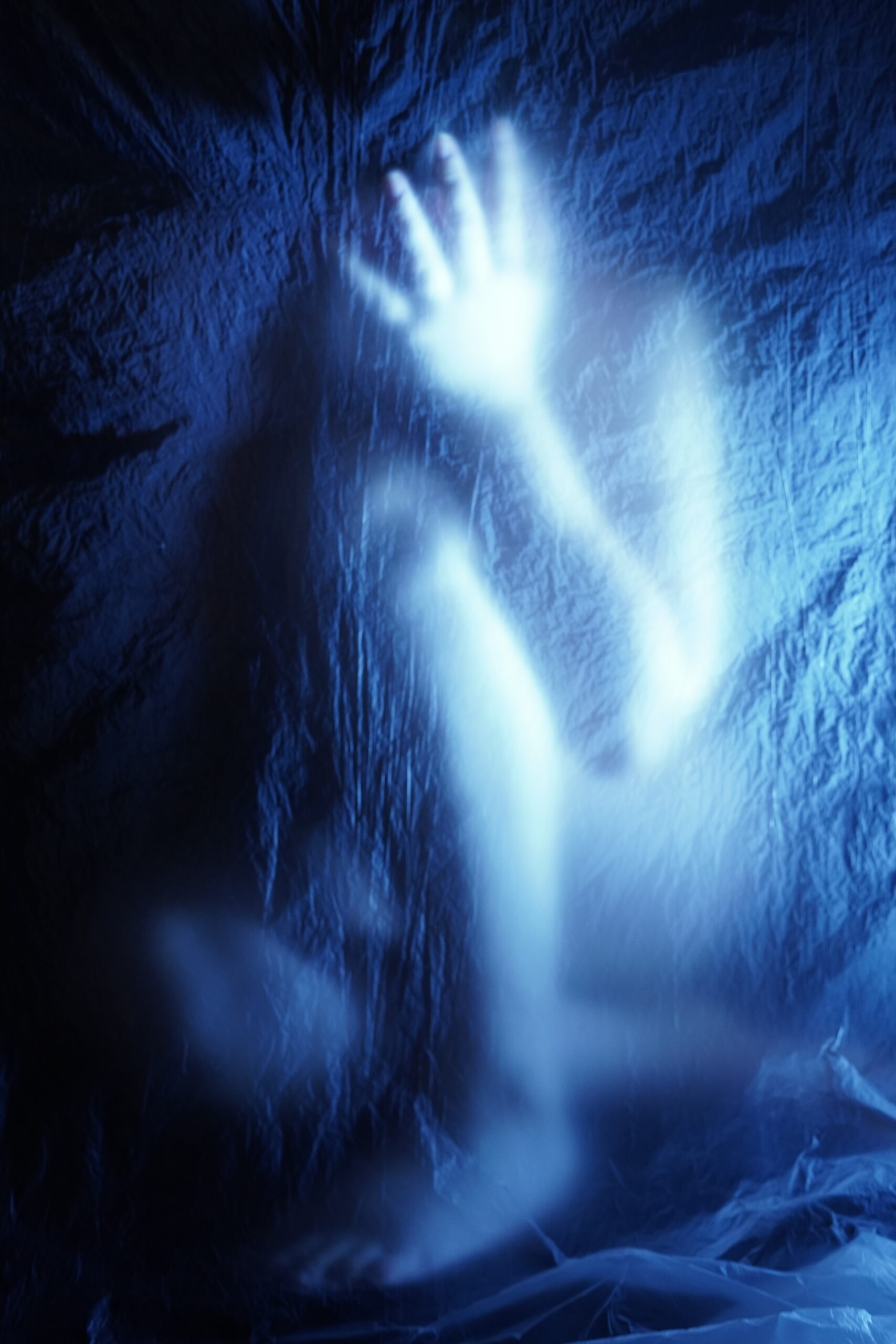
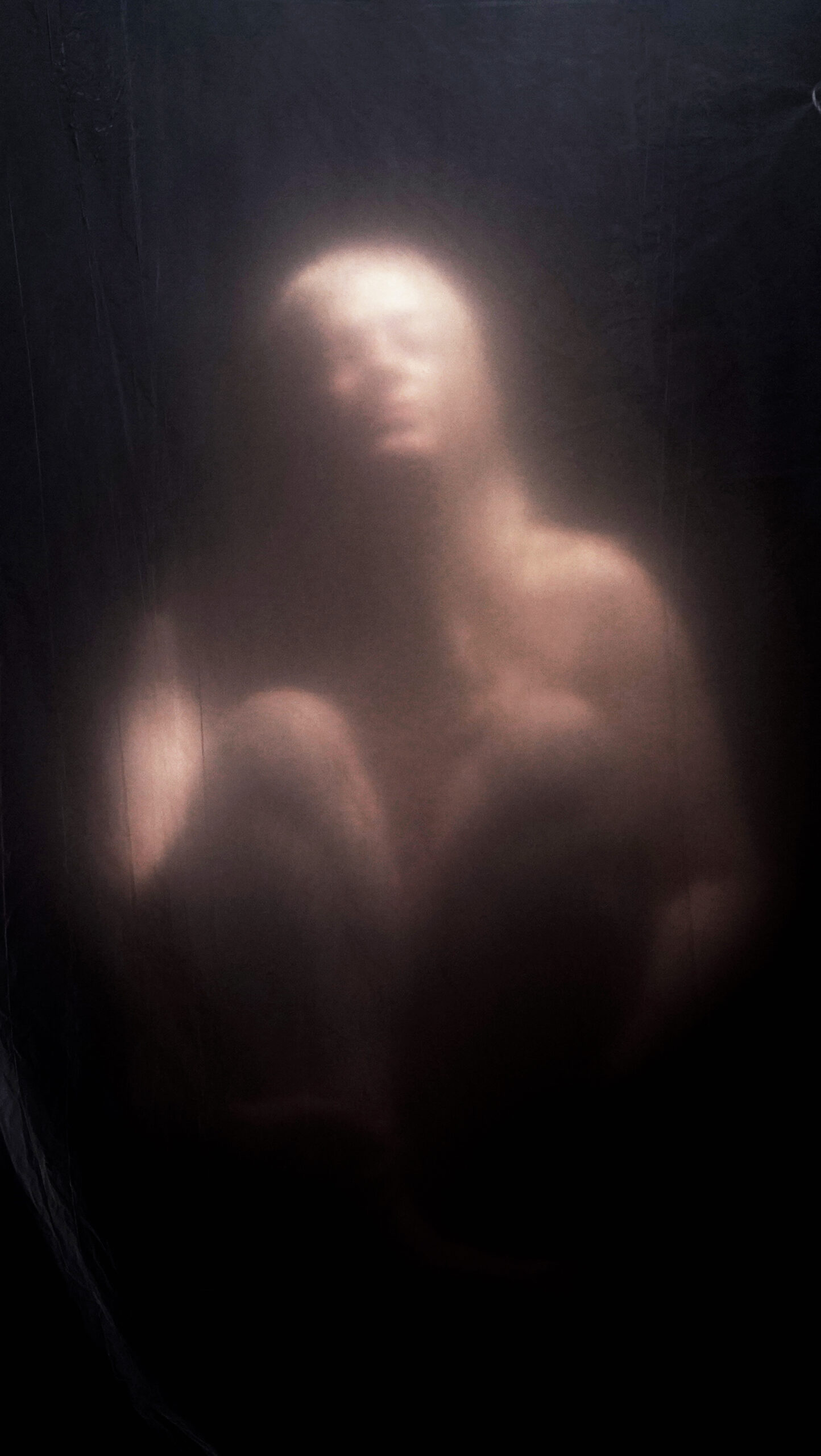
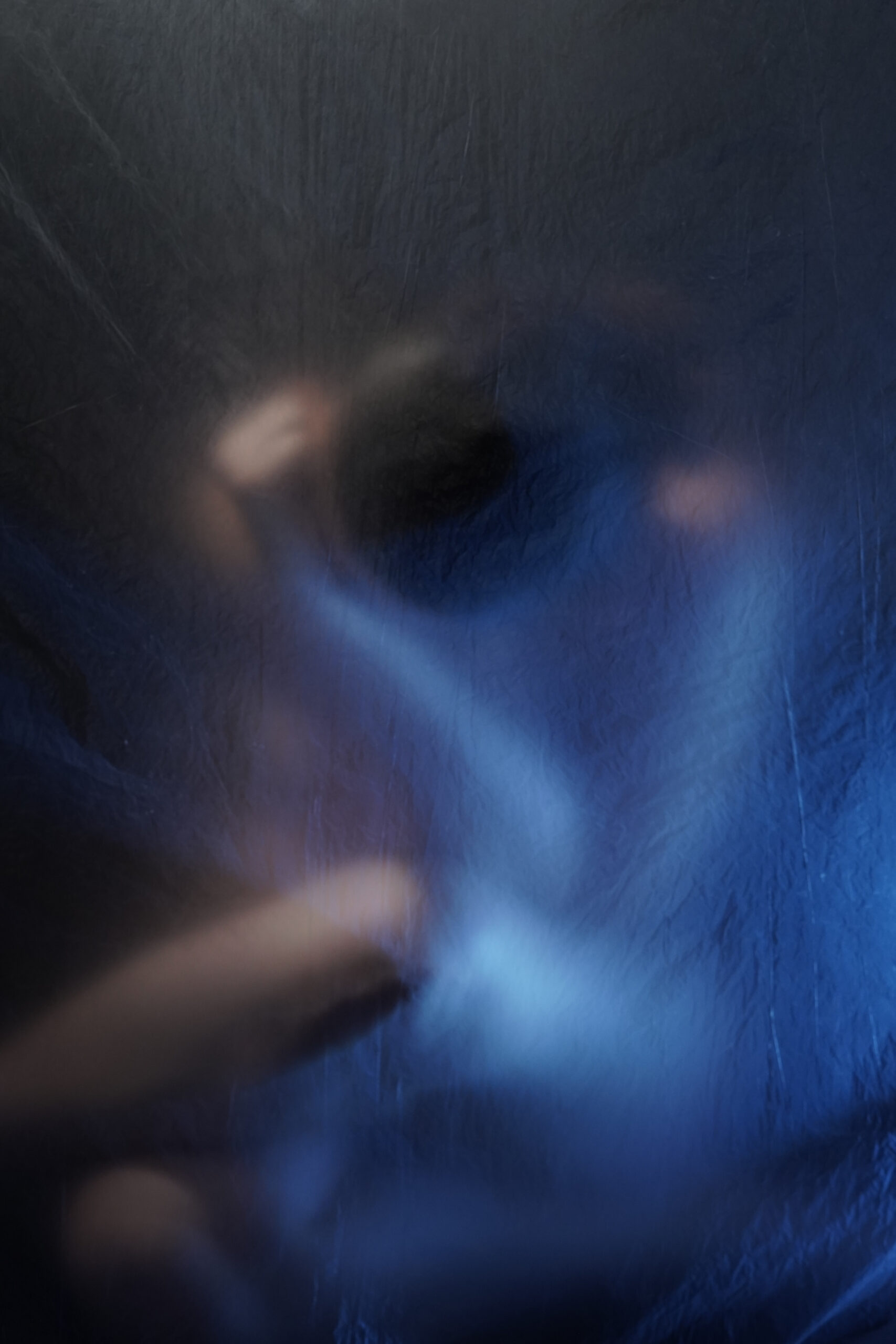
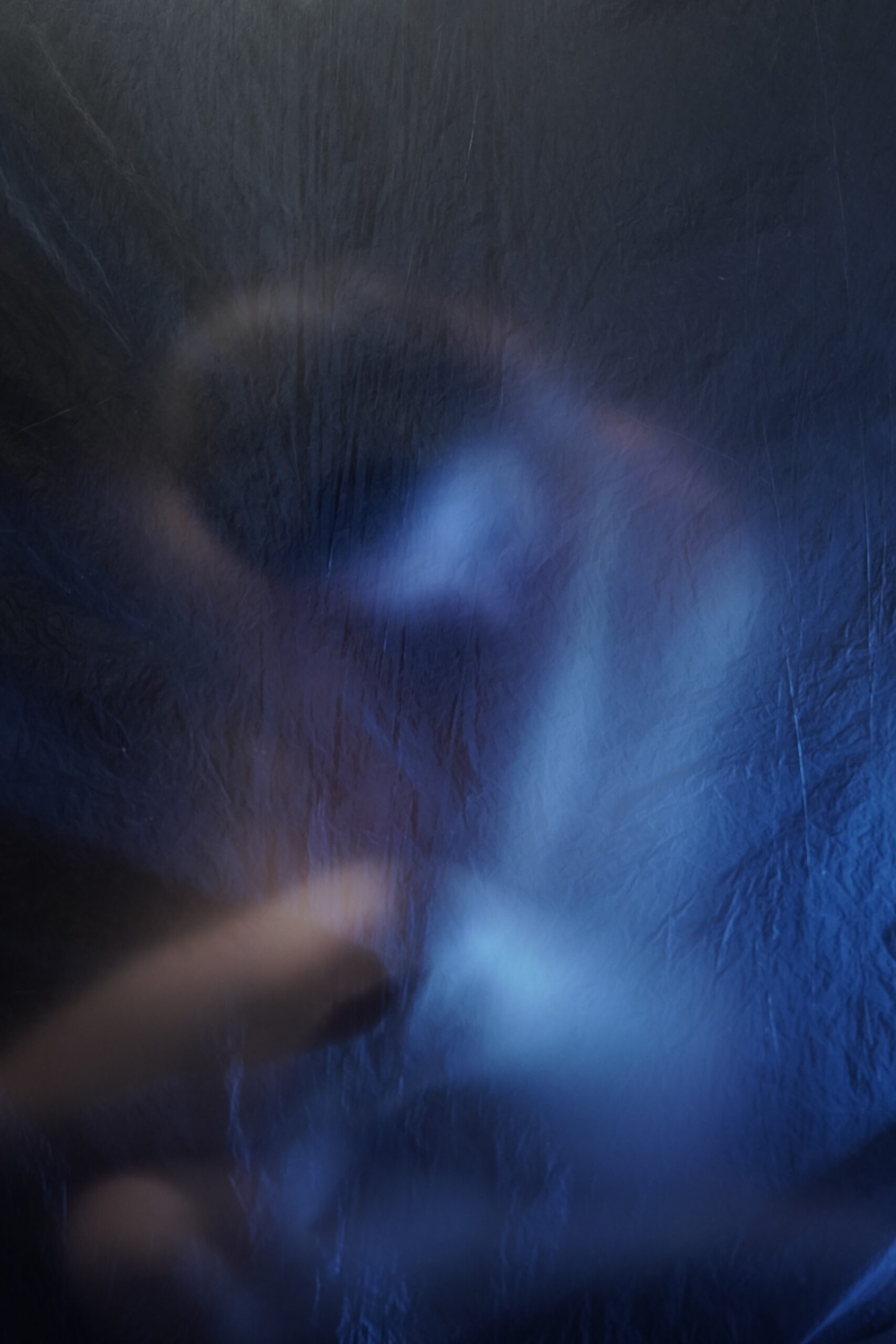
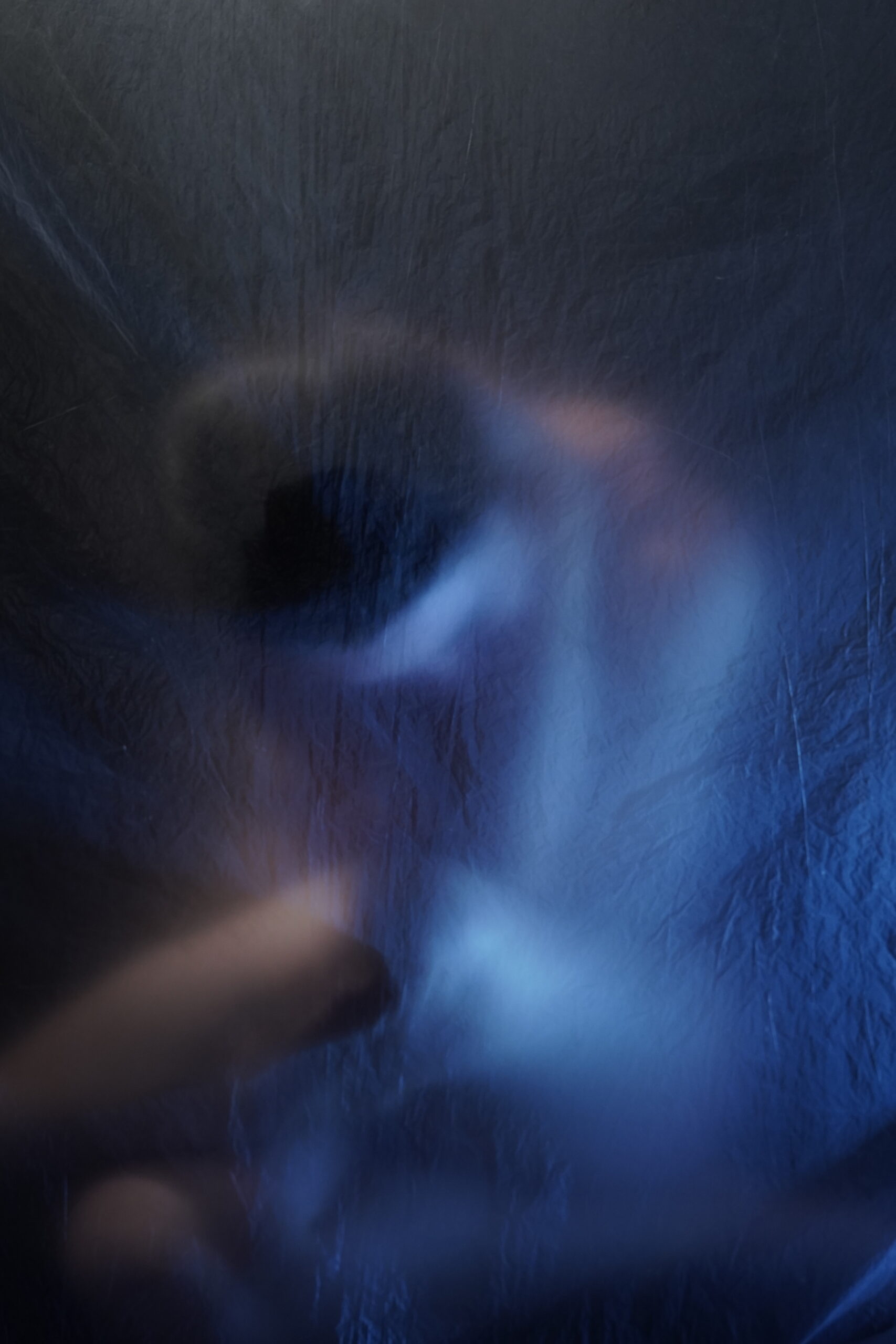
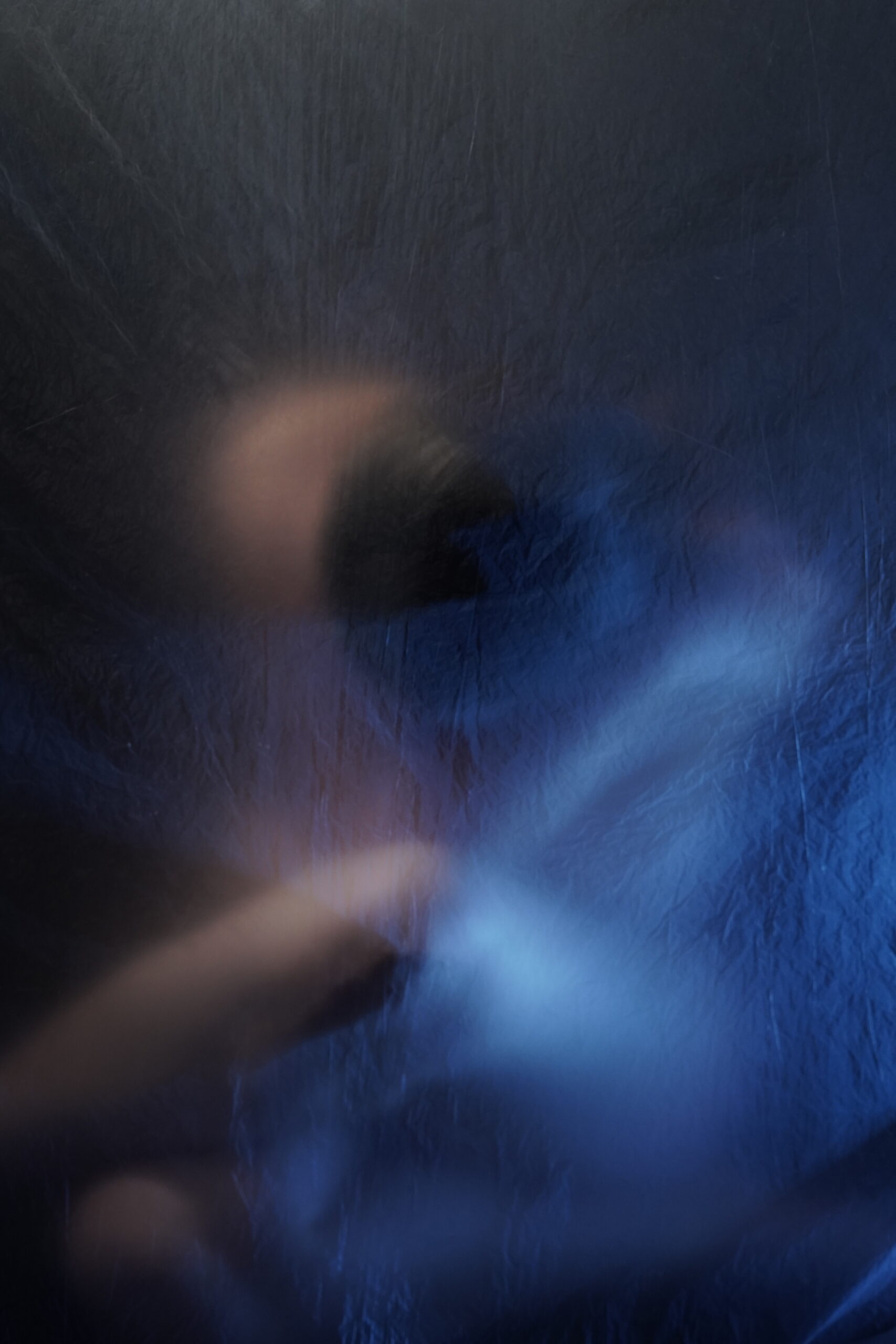
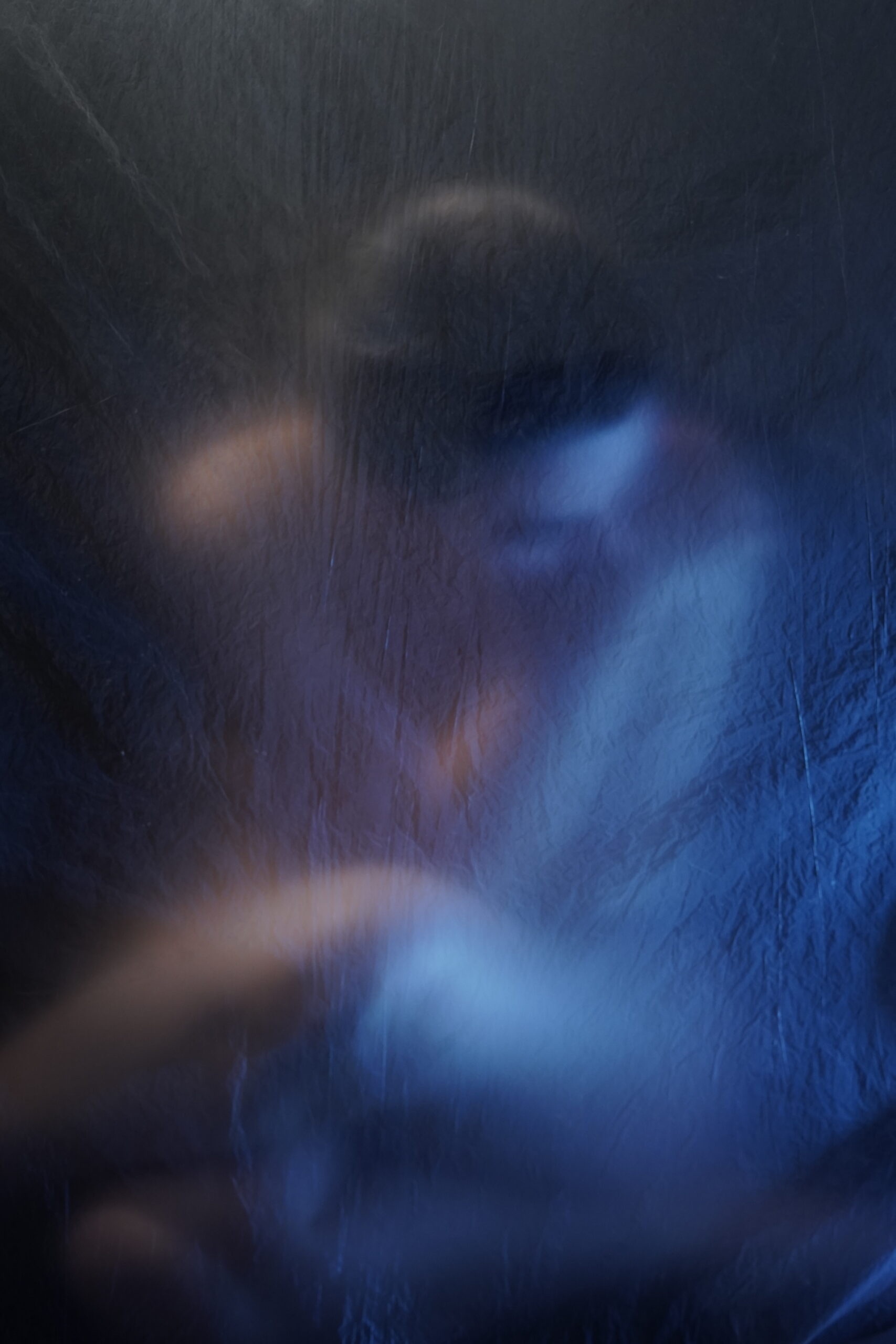
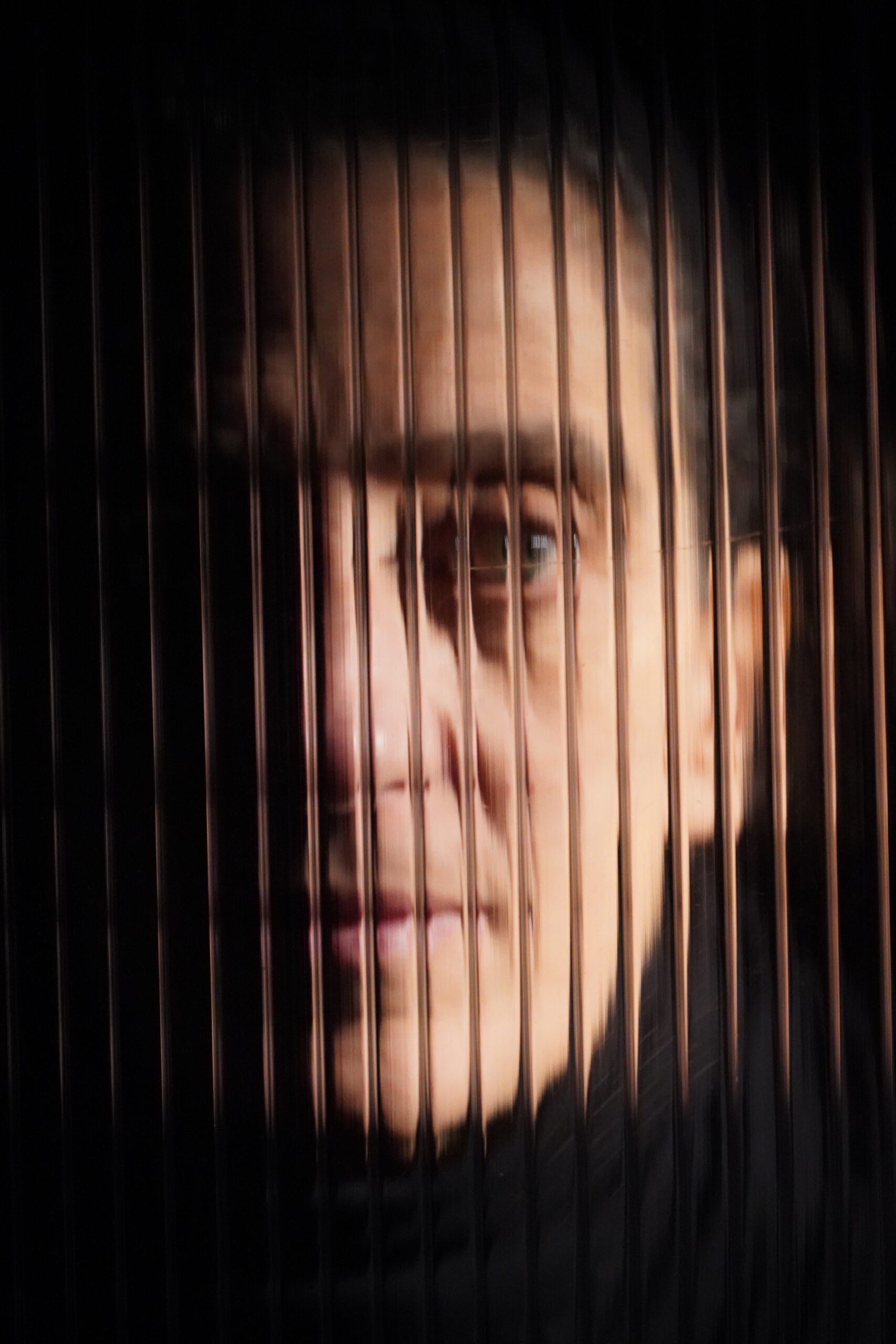
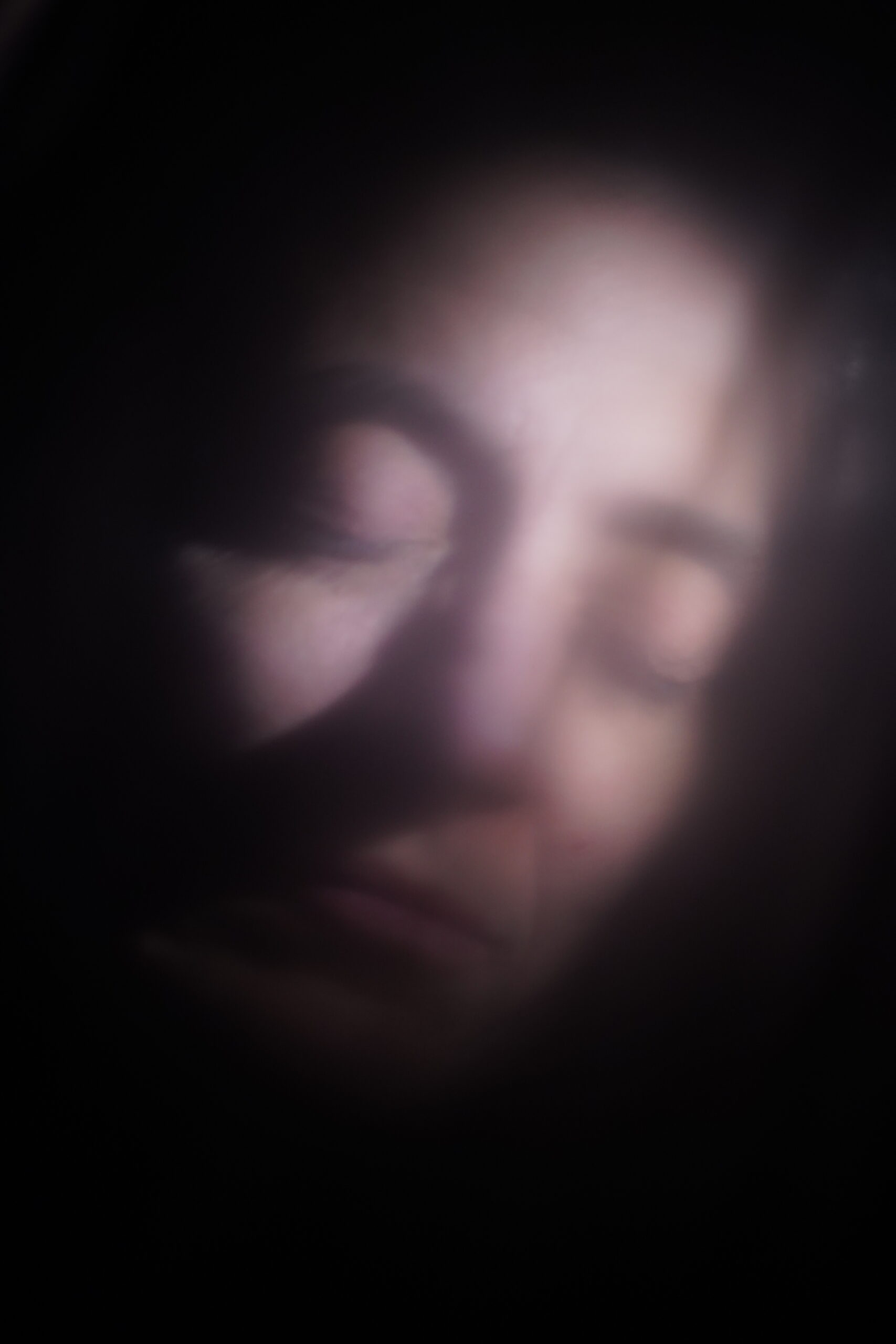
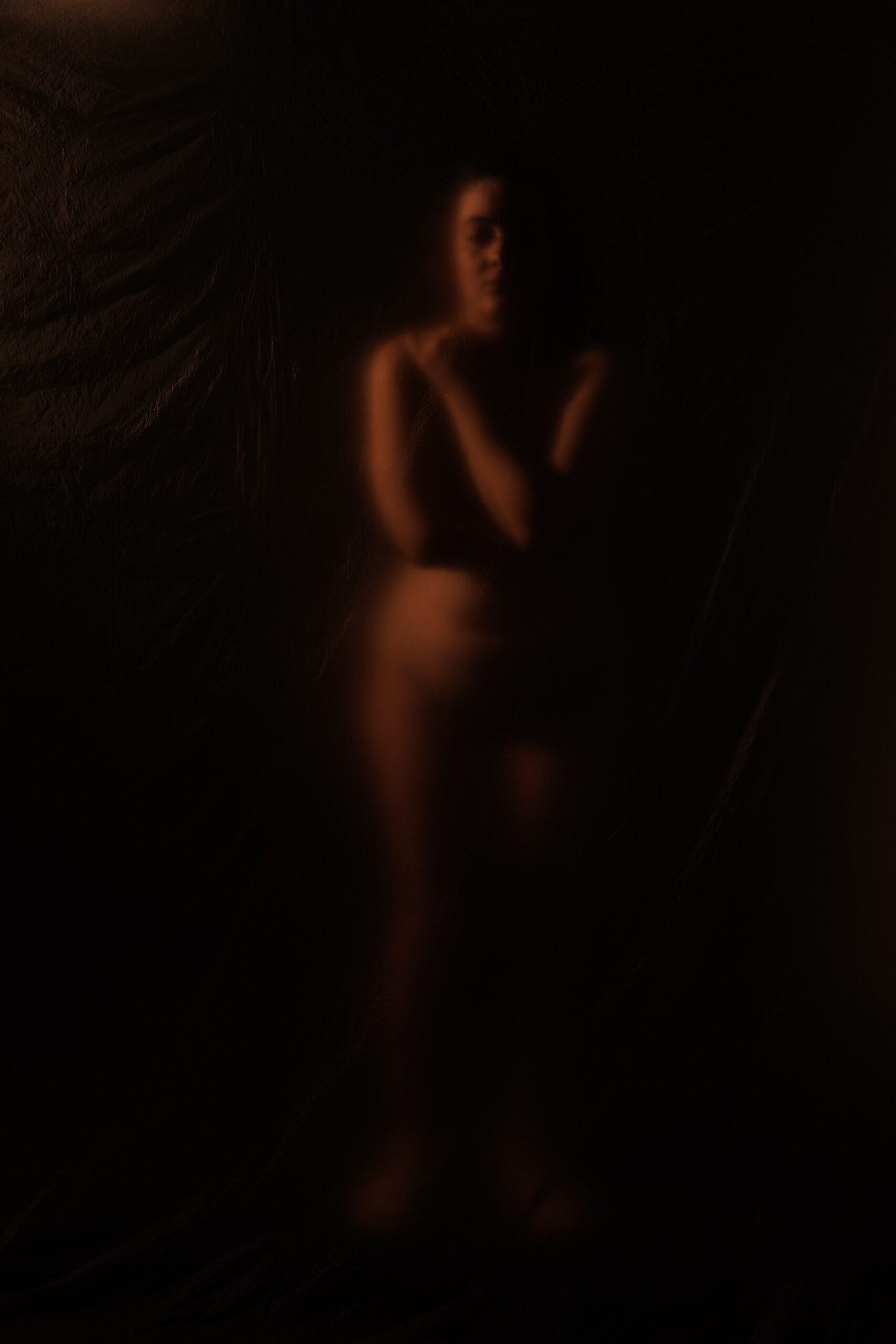
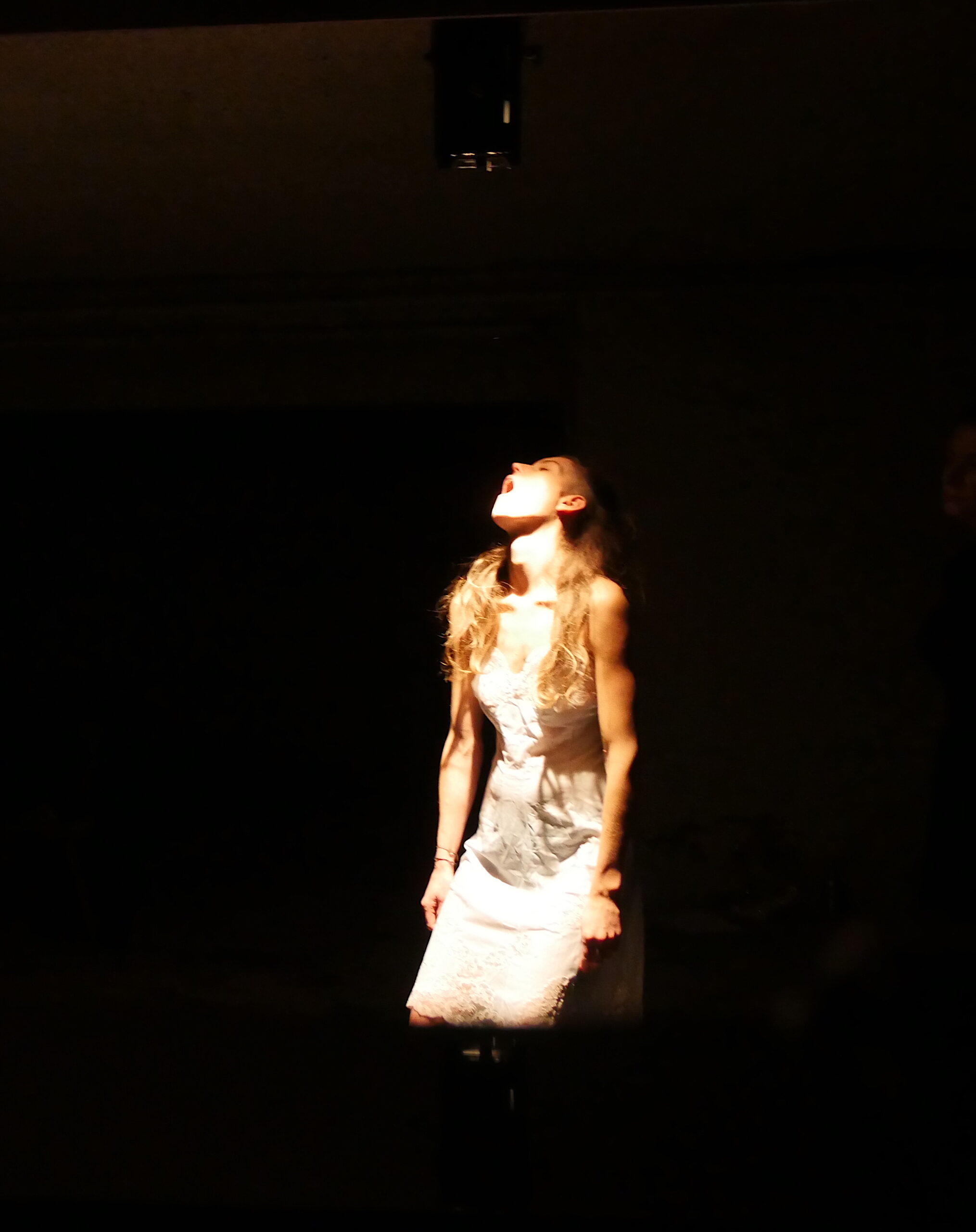
quand nous échangeons notre souffle. »Cette série de photographies tente de s’approcher d’un Cœur meurtri, empêché, gelé, nié. D’un Cœur chantant, léger, dansant, enchanté.
Voici nos corps aimants et nos corps blessés.
S. G.
Anyone who falls has wings
This title is taken from a poem by Ingebord Bachmann
“Austrian poet born in 1926 Ingebord Bachmann is particularly marked by the Anschluss in 1938, which she attends when she is only 12 years old. Her commitment as a woman and writer is closely linked to experience and historical reflection on the fascism of the Hitler era. Her work reflects the difficult struggle of a woman who wants to live and write, i.e. writing and loving. Writing was for her an act of love constantly rebooted, passionately, an uninterrupted advance “on the line of sharing, from you to me, from silence to speech, from all to singular, from myth to writing”.Presentation by Françoise Rétif under the title “Du côté de la mort la vie” in Europe, monthly literary magazine n°892-893
The almost original experience of darkness, but also a vivid appetite for life, combined with a thirst for light and love, haunt the poetry of this great Austrian poet.
The phrase « Anyone who falls on wings » is herself taken from the poem « The game is over »
The game is over
« My dear brother, when will we build a raft
And will the descent of the heavens?
My dear brother, the cargo will be too heavy soon
And we’ll both sink.My dear brother, we’re drawing on paper
So many countries and railways.
Take a guard here, in front of the black lines,
You’re gonna jump on the mines.My dear brother, then to the post
I want to be connected and shout.
But you already on your horse you leave the valley
The dead and we both flee.Awakened in the camp of the Gypsies and awake in the tent in the desert,
The sand flows from us hair,
Not your age, not mine or the age of the world
Cannot be measured in the years.By the cunning ravens, by the aragna paw
and by the pen in the bush does not let you deceive,
Do not eat or drink in the land of cocagne,
It is the sham that foams in the stoves and pitchers.Only one who, at the golden bridge, for Escarboucle, the fairy,
Remember the word again, won.
I have to tell you, with the last snow,
In the garden, the word melted.By so many stones our feet are so wounded.
One heals. With him we want to jump,
until the king of the children, in the mouth the key
of his kingdom, take us, and we will sing:How beautiful is the time when the core germinates from the date!
Anyone who falls has wings.
It’s a red dice that hurns the shroud of the poor
and your dark heart leaf on my seal.We have to go to bed, very expensive, the game is over.
On the tip of the feet. The white shirts eat.
Father and mother say that the house is haunted
When we exchange our breath.”This series of photographs tries to approach a bruised, prevented, frozen, denied Heart. With a Heart singing, light, dancing, enchanted.
Here are our loving bodies and our wounded bodies.
S. G. -
-
-
-
-
-
-
-
-
-
-
-
-
-
-